If you are selling a Gatlinburg rental cabin, you are not just listing a home. You are presenting a guest experience and an operating business at the same time. Today’s buyers want to know if a cabin feels turnkey, shows well online, and comes with clear records they can trust. Let’s dive in.
Why Gatlinburg buyers look closely
Gatlinburg sits at the center of a tourism-driven market, and that shapes how buyers shop. Great Smoky Mountains National Park recorded 12,191,834 recreation visits in 2024, and visitors spent more than $2.0 billion in nearby gateway communities that year.
In June 2026, Gatlinburg was officially designated the Gateway to the Smokies. For sellers, that matters because many cabin buyers are thinking about both personal enjoyment and rental performance. They are often weighing how the property feels for guests and how smoothly it can operate from day one.
Start with legality and records
Before your cabin hits the market, make sure your paperwork is organized. A buyer looking at a short-term rental in the Smokies will usually ask whether the property is legally usable as a rental and whether the seller can document how it has been run.
If the property is inside Gatlinburg city limits, an overnight rental requires a Tourist Residency Permit, and the property must be properly zoned first. The city application asks for details such as the unit name, location, bedroom count, story count, maximum occupancy, and gross square footage.
The city charges $200 for a unit with two or fewer bedrooms, plus $75 for each additional bedroom. Gatlinburg also states that these fees support fire and building inspections that certify the property as safe and sound for guests.
If your cabin is in unincorporated Sevier County rather than inside city limits, the county short-term rental permit program applies instead. County guidance says buyers should check the certificate of occupancy, confirm the property is in an area that allows short-term rentals, gather inspection reports, and update the county when ownership changes. The county also notes that the existing STR permit account transfers to the new owner.
Keep permits and project files together
If you completed updates before listing, gather every related document in one place. That includes permit applications, final inspections, contractor invoices, and any supporting plans.
Gatlinburg states that applications and design plans submitted after May 4, 2021 must comply with its 2018 code set. For a buyer, complete records help show that work was done properly and that there are fewer loose ends after closing.
Organize income and tax records
A clean financial file can make your cabin more convincing. In Tennessee, short-term rentals of fewer than 90 consecutive days are treated as taxable lodging.
The Tennessee Department of Revenue says the property owner, property manager, or marketplace facilitator must collect and remit sales tax. Local occupancy tax also applies to transient stays of 30 days or less.
The taxable base can include more than just the nightly rate. Cleaning fees, pet deposits, booking fees, and property damage protection fees may also be taxable. That is why it helps to keep channel-separated income statements and tax remittance records.
For your listing package, it is smart to include:
- Gross bookings
- Platform payout reports
- Direct booking records
- Sales tax filings
- Occupancy tax remittances
- Monthly profit-and-loss statements
- Utility bills
- Insurance declarations
- Vendor invoices
- Permit copies
- Inspection reports or certificate-of-occupancy records
This kind of documentation helps a buyer understand what the cabin produces and how the operation has been managed.
Make the cabin feel turnkey
Buyers tend to respond well to cabins that look easy to own and easy to manage. In a market like Gatlinburg, the small details can shape whether a property feels like an opportunity or a project.
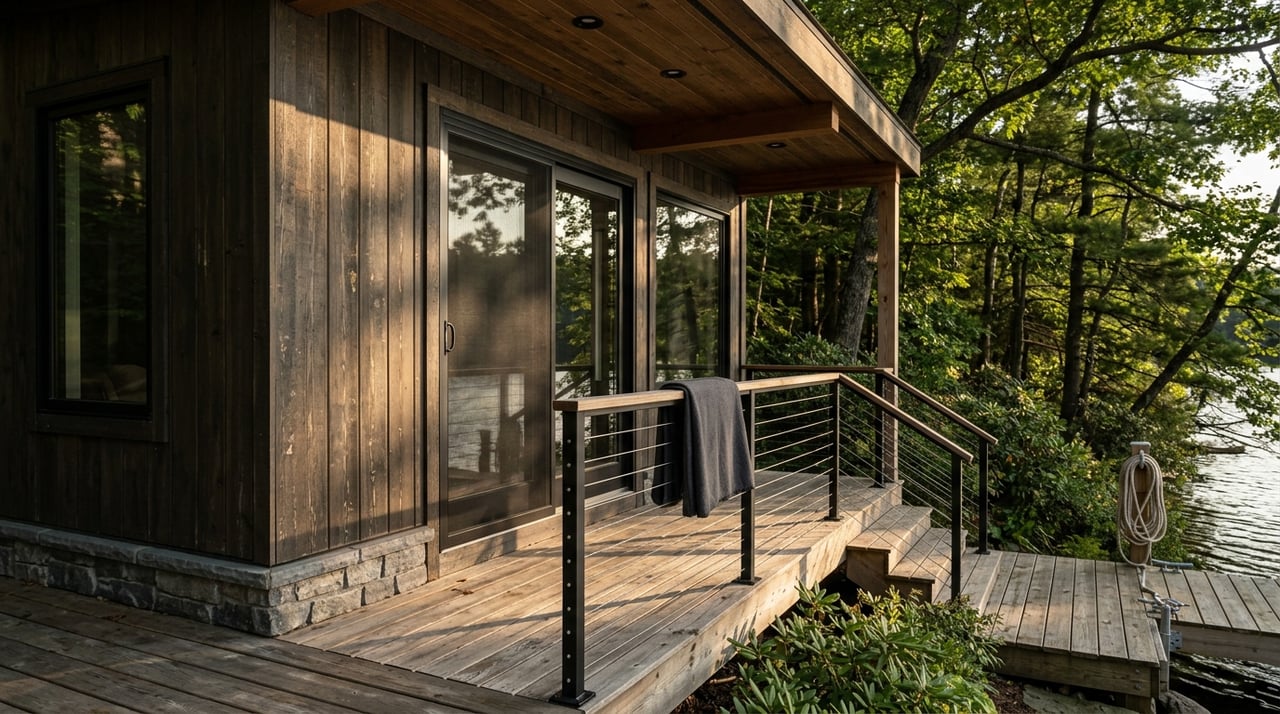
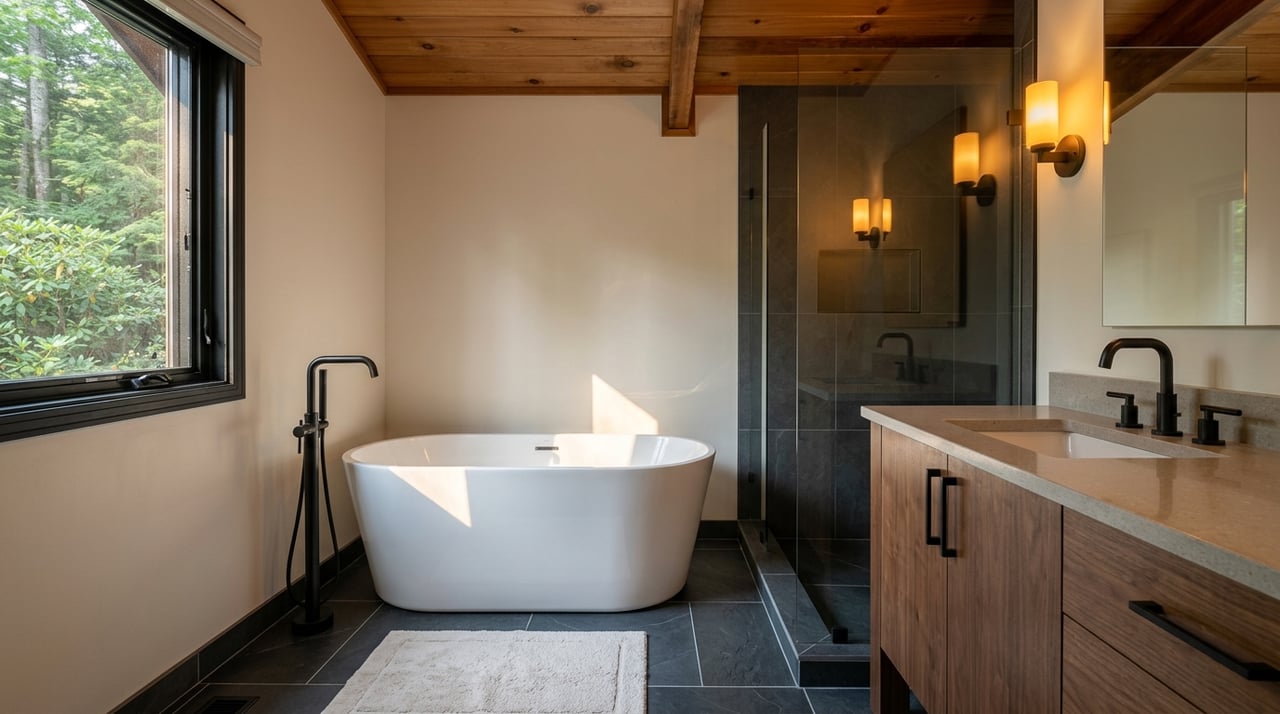
Focus first on visible condition. Fresh paint, repaired trim, clean flooring transitions, updated lighting, tidy decks, and well-kept kitchens and bathrooms all help signal that the property has been cared for.
That matters because many buyers, especially second-home and short-term-rental buyers, are trying to avoid immediate extra work. A cabin that feels clean, maintained, and guest-ready often reads as lower risk.
Show sleeping capacity clearly
In Gatlinburg, the permit framework is built around facts such as bedroom count, story count, maximum occupancy, and square footage. Your marketing should make those details easy to understand.
That means buyers should be able to see every sleeping area, every bathroom, and how the layout flows from the entrance to the main living spaces. If a buyer has to guess how the cabin sleeps guests, the listing loses clarity.
A simple floor plan or room-by-room layout can be especially helpful. It connects the visual story to the operating facts buyers are already trying to verify.
Highlight features guests care about
In the Smoky Mountains, lifestyle appeal and revenue appeal often overlap. The most useful updates are usually the ones that make stays smoother for guests and management easier for owners.
Pay close attention to features like:
- Dependable parking
- Simple entry access
- Strong Wi-Fi
- Laundry access
- Clear separation of owner storage
- Comfortable outdoor seating
- Well-managed trash storage
These details may sound basic, but they influence the guest experience in a very real way. For an out-of-town buyer or investor, they also suggest fewer day-to-day headaches.
Do not overlook bear compliance
Bear-aware property setup is part of the operating story in Gatlinburg. The city says properties holding a Tourist Residency Permit are included in the expanded animal-resistant container zone, and those properties had until June 30, 2025 to come into compliance.
The city also says its Fire Department oversees the Tourist Residency Program. That makes trash handling and property readiness more than a cosmetic issue.
BearWise recommends that lodging operators send guest bear-safety guidance before arrival, print that guidance in rooms or common areas, and keep trash secured. It also emphasizes closed doors and windows and secure trash practices.
For a buyer, this shows whether the cabin is set up for mountain-market realities. If you already have animal-resistant containers and clear guest instructions in place, make sure those items are visible in your marketing package.
Build a better buyer-facing package
The best cabin listings do more than look good in photos. They answer the practical questions a buyer will ask before they ever schedule a showing.
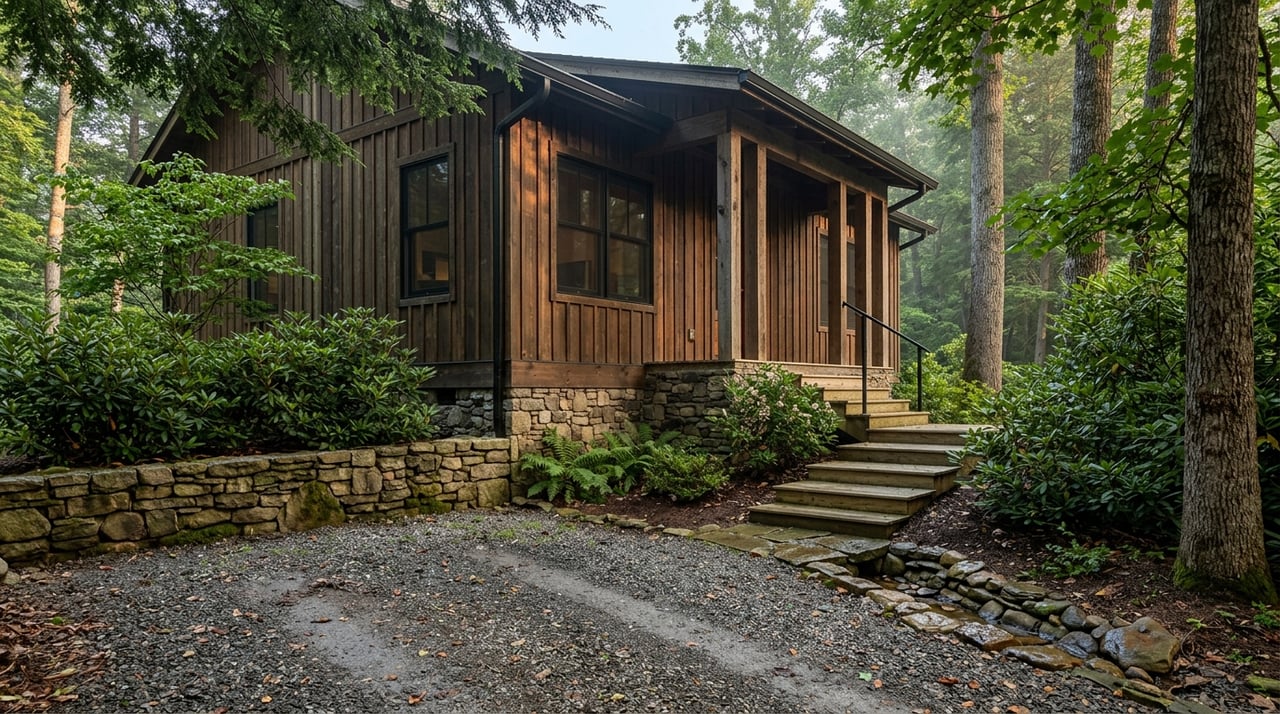
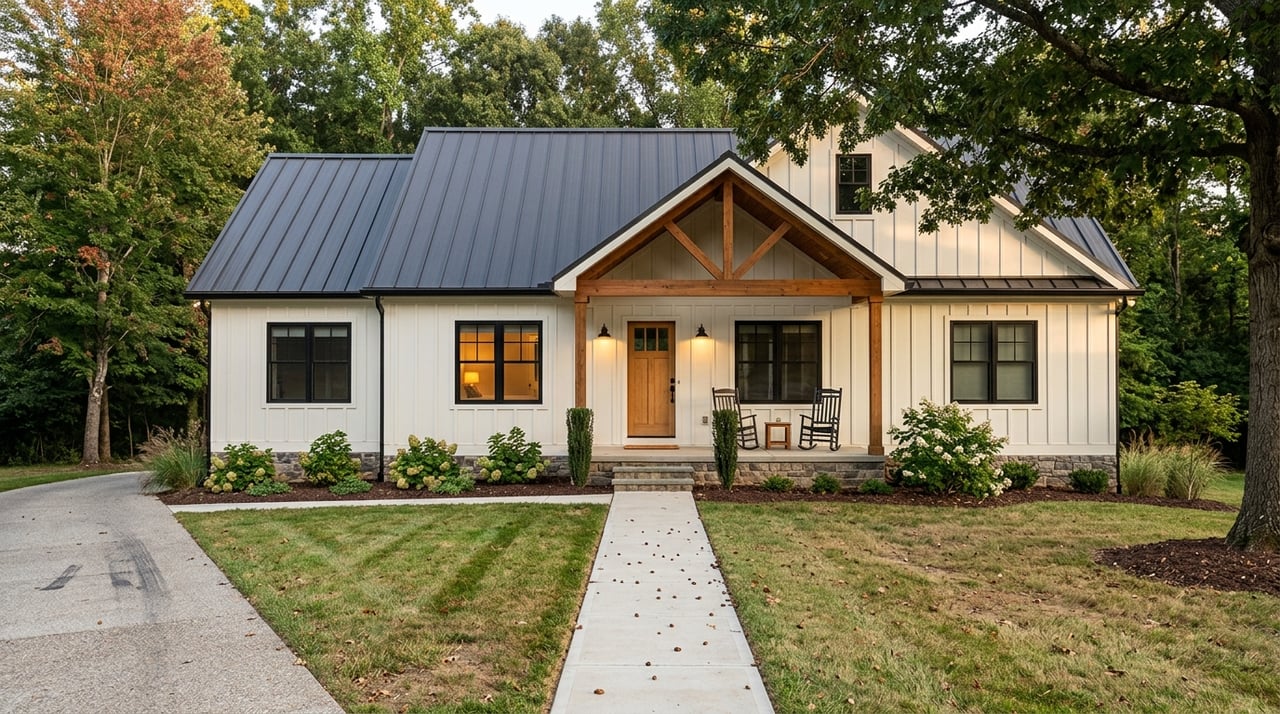
A strong package should include visual proof and operating proof. That means quality photos of the exterior approach, parking, main living areas, sleeping areas, bathrooms, kitchen, outdoor amenities, and compliance-related features such as the bear-safe trash setup.
It should also include the records that support the income story. Short-term-rental buyers are often less interested in vague claims and more interested in organized proof.
Here is a simple way to think about it:
| What buyers want to know | What you should show |
|---|---|
| Is the cabin legal to rent? | Permit status, zoning confirmation, certificate of occupancy if applicable |
| What does it actually earn? | Gross bookings, payout reports, tax filings, P&Ls |
| How guest-ready is it? | Clean photos, layout clarity, amenity details, maintenance records |
| Is it set up for Gatlinburg operations? | Bear-safe trash handling, guest guidance, inspection records |
Presentation matters more than ever
Many Gatlinburg cabin buyers begin their search from out of town. They may narrow down options based on photos, layout, operating history, and whether the property feels easy to understand.
That is why presentation is not just about style. It is about reducing uncertainty.
When your cabin looks clean, your records are complete, and your setup reflects how mountain rentals really operate, you make it easier for a buyer to move forward. That can support stronger interest and a smoother conversation once your property is on the market.
Selling a rental cabin in Gatlinburg is different from selling a typical home. You are marketing a place, a guest experience, and a business asset all at once. If you want help positioning your property with that full picture in mind, Karen Cubberley brings a hospitality-informed, Smoky Mountains perspective to buyers, sellers, and short-term-rental owners alike.
FAQs
What permit does a Gatlinburg rental cabin need before sale?
- If the cabin is inside Gatlinburg city limits and used as an overnight rental, it needs a Tourist Residency Permit and proper zoning.
What short-term rental rules apply outside Gatlinburg city limits?
- If the property is in unincorporated Sevier County, the county short-term rental permit program applies, and buyers should review the certificate of occupancy, allowed use area, and inspection records.
What tax records should a Gatlinburg cabin seller prepare?
- You should gather sales tax filings, occupancy tax remittances, gross booking records, payout reports, direct booking records, and monthly profit-and-loss statements.
Why does bear-safe trash setup matter for Gatlinburg cabins?
- Gatlinburg says Tourist Residency Permit properties are included in the animal-resistant container zone, and bear-safe trash handling is part of responsible property operation in this market.
What should photos show for a Gatlinburg rental cabin listing?
- Photos should clearly show the exterior approach, parking, living areas, all sleeping areas, bathrooms, kitchen, outdoor spaces, and any compliance-related features such as bear-safe trash storage.
How can a Gatlinburg seller make a cabin feel turnkey to buyers?
- Focus on clean presentation, obvious maintenance, updated lighting, tidy decks, clear layout information, and organized permit and financial records.