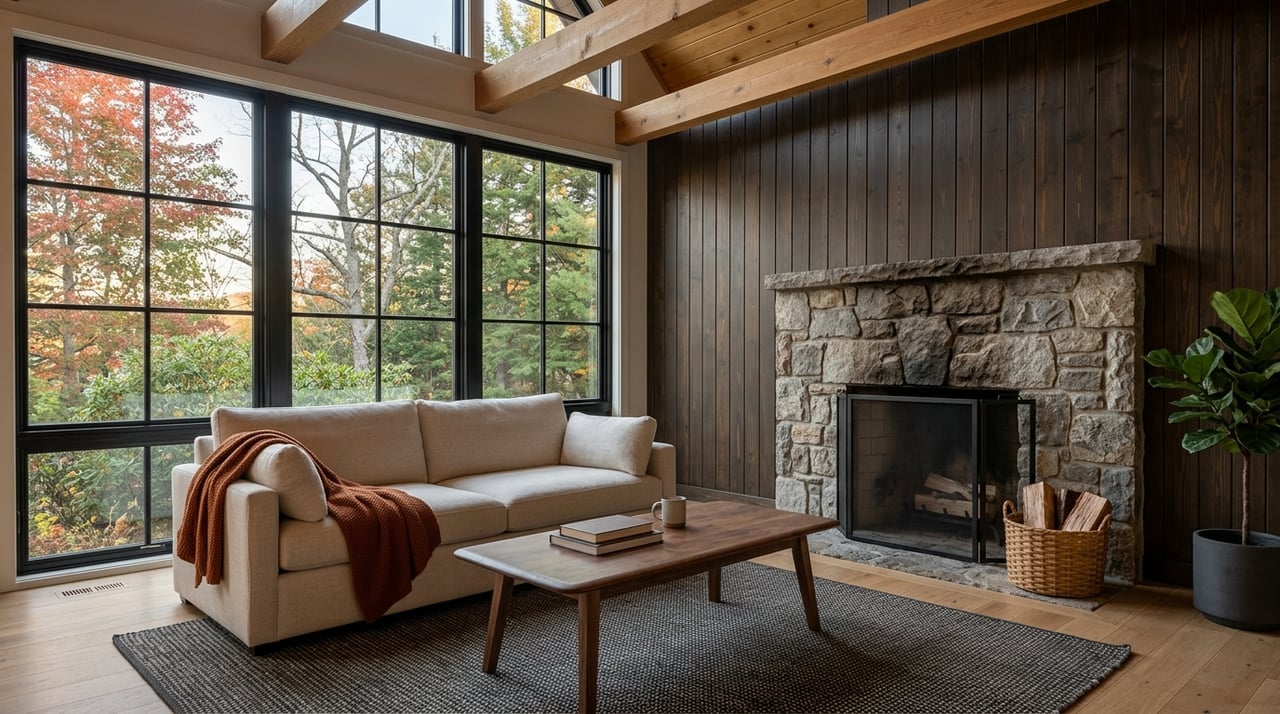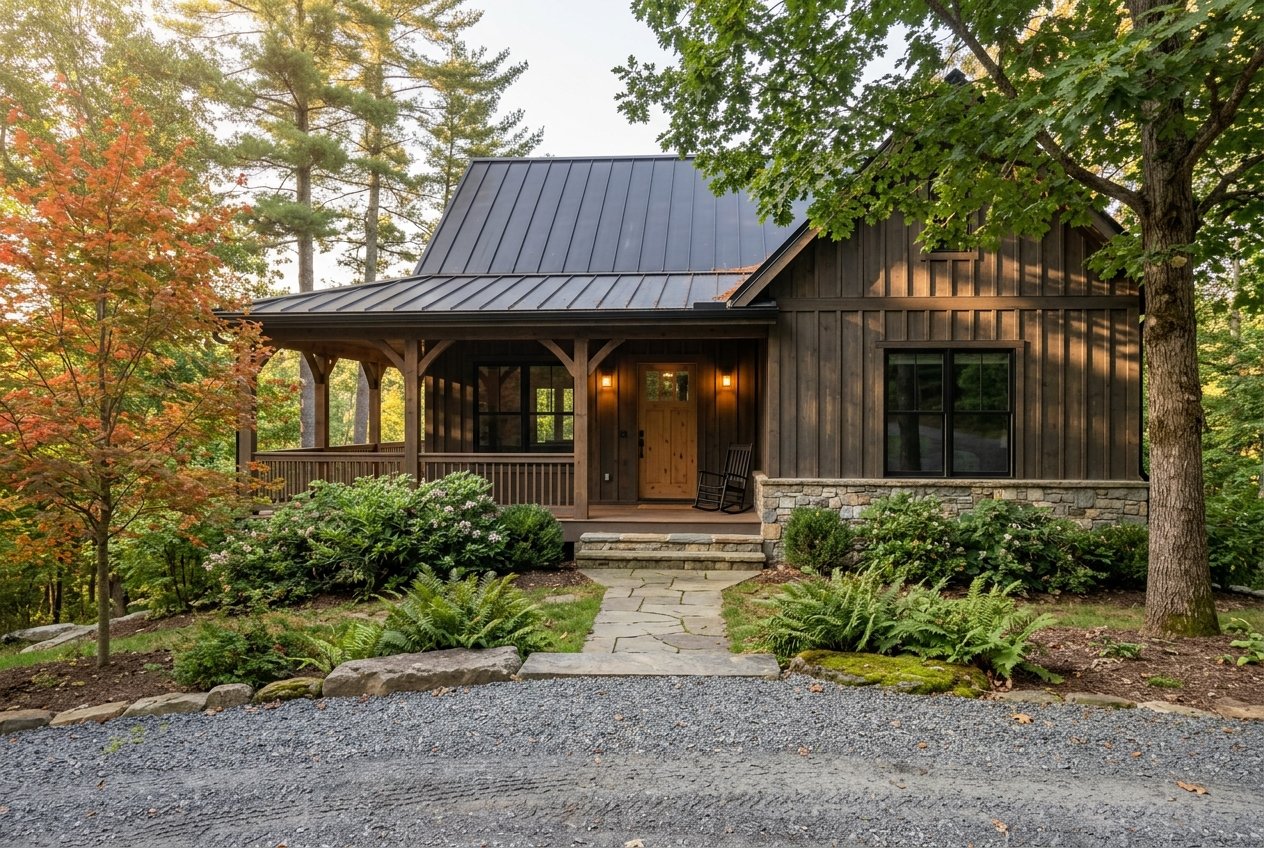
Dreaming about a Smoky Mountain cabin sounds easy. Living with one in Wears Valley is a little more layered, and that is exactly why many buyers love it. If you are wondering what day-to-day ownership really feels like here, this guide will help you understand the lifestyle, the logistics, and the practical tradeoffs so you can decide whether Wears Valley is the right fit for you. Let’s dive in.
Why Wears Valley Feels Different
Wears Valley is often known as a quieter side of the Smokies. Tennessee Tourism describes it as a peaceful town between Pigeon Forge and Townsend, with scenic drives, locally owned shops, unique cabins, and its own entrance to Great Smoky Mountains National Park.
That shapes the ownership experience in a big way. When you own a cabin here, you are usually choosing scenery, privacy, and a retreat-like setting over a walkable town-center lifestyle.
Scenery Is Part of Daily Life
In Wears Valley, the setting is not just a backdrop. It is one of the main reasons people buy here. The nearby Foothills Parkway adds to that appeal with mountain views, overlooks, and one of the most scenic drives in the region.
According to the National Park Service, the Walland-to-Wears Valley segment runs about 14.75 miles, reaches nearly 2,500 feet, and includes multiple overlooks. The broader Foothills Parkway West stretches 33 miles from Wears Valley to Chilhowee Lake, which reinforces how view-focused this area really is.
Expect a Car-First Lifestyle
Owning a cabin in Wears Valley means driving is part of everyday life. Errands, dining, park outings, and supply runs are generally planned around getting in the car rather than walking down the block.
The National Park Service notes that there is no public transportation into Great Smoky Mountains National Park from major cities in the area. It also warns that GPS can misroute drivers in mountain terrain, and cell coverage can be very limited.
That matters more than many first-time buyers expect. If you are coming from a suburban or urban area, mountain driving, road planning, and limited service can take some adjustment.
Mountain Roads Change the Routine
The roads are part of the charm, but they are also part of the reality. The National Park Service warns that many area roads are winding and narrow, with blind curves, steep drop-offs, heavy traffic at times, and frequent wildlife crossings.
For owners, this affects more than sightseeing. It can shape check-in planning, maintenance visits, vendor scheduling, and how comfortable you or your guests feel arriving after dark or during bad weather.
Cabin Ownership Is Not Just a Summer Story
Wears Valley works in more than one season. A nearby NOAA climate station in Sevierville reports 48.78 inches of annual precipitation, 3.6 inches of annual snowfall, and an annual mean temperature of 59.0 degrees based on 1991 to 2020 normals.
Summer highs typically reach the upper 80s, while winter lows are around 30 degrees. That means you can enjoy the area year-round, but you should also be ready for changing conditions through the seasons.
Weather Can Affect Access
The Smokies stay active all year, but weather still matters. The National Park Service says primary roads in the park are generally open year-round when conditions allow, while secondary roads may have seasonal closures or close when snow, ice, or muddy conditions make travel unsafe.
For cabin owners, this means flexibility helps. If you use the home as a second property or host guests, weather-related planning should be part of your expectations.
Park Access Is a Major Lifestyle Perk
One of the biggest advantages of owning in Wears Valley is easy access to Great Smoky Mountains National Park. Tennessee Tourism notes that Wears Valley has its own park entrance, and nearby Metcalf Bottoms is popular for tubing, picnicking, and fishing.
That gives your cabin a strong lifestyle draw. You are close to hikes, drives, and outdoor time without needing to start every park day in a busier gateway area.
Visitor Demand Helps Explain Buyer Interest
The park is also a major reason buyers keep looking at Wears Valley. Great Smoky Mountains National Park covers 522,427 acres and recorded more than 12 million recreational visits in 2024, according to the National Park Service.
That kind of visitor volume helps explain why many buyers see Wears Valley as both a personal retreat and a place worth considering for part-time or full-time short-term rental use. It does not guarantee performance for any one property, but it does support the area’s ongoing appeal.
In 2023, the National Park Service reported that 13,297,647 visitors spent $2.2 billion in nearby communities and supported 33,748 jobs. For buyers thinking strategically, that shows how strongly park tourism shapes the surrounding local economy.
If You Plan To Rent, Rules Matter
If you want to use your cabin as a short-term rental in unincorporated Sevier County, you need to understand the county requirements first. Sevier County requires a Short-Term Rental Permit, and the permit is valid for 12 months.
The county’s application materials also state that inspections are required. Owners must confirm the certificate of occupancy, occupancy load, and local code compliance before operating.
This is one reason buyers should not judge a cabin only by how charming it looks online. The practical side of rental use matters just as much as the view, the finishes, or the deck space.
Ownership Includes Ongoing Maintenance Thinking
Cabin ownership in the Smokies usually comes with more active planning than a typical neighborhood home. The mountain setting is beautiful, but it also means you need to think about access, weather, property upkeep, and safety in a more hands-on way.
That is especially true if the home sits in a wooded setting or if you live out of town. Buyers often benefit from evaluating not just the cabin itself, but also how manageable it will be over time.
Wildlife Awareness Is Part of the Experience
In and around the park, wildlife is a real part of life. The National Park Service says bear activity is especially high from May through August, and it warns that food-conditioned bears can damage property.
For cabin owners, that means trash handling, food storage, and bear-aware habits are important. This is not meant to be alarming, but it is something you should take seriously if you want to protect your property and reduce avoidable issues.
Wildfire Readiness Matters Too
Wildfire preparedness is another part of owning in Wears Valley. A USDA Forest Service community mitigation report states that the March 2022 Hatcher Mountain/Wears Valley wildfire burned about 2,500 acres and damaged 213 structures.
The report notes that steep terrain, dense forest, and cabin-heavy development are part of the local wildfire challenge. For owners, that makes defensible space, evacuation planning, and readiness part of responsible ownership.
Small Park Costs Can Affect Planning
There is one more practical detail that owners and guests should know. Great Smoky Mountains National Park does not charge an entrance fee, but parking tags are required for vehicles parked longer than 15 minutes.
If you host family, friends, or short-term guests, this is a simple item worth sharing in advance. Small details like this can make visits smoother and help avoid frustration.
Who Wears Valley Usually Fits Best
Wears Valley tends to appeal most to buyers who want the mountain experience first. If your top priorities are privacy, views, park access, and a calmer setting, this area can feel like a great match.
It may be less ideal if you want quick, walkable convenience or a low-maintenance ownership style. The balance here is part of the appeal: you get a more peaceful Smoky Mountains setting, but you also take on the realities that come with mountain property.
Buy With Both Emotion and Strategy
A cabin in Wears Valley can absolutely be a place you love using. It can also be a property that deserves careful, practical evaluation, especially if you are considering second-home use, part-time rental income, or long-term value.
That is where local guidance matters. In a market like the Smokies, the best choices usually come from looking at both the experience of the property and the realities of access, maintenance, rules, and demand.
If you are exploring cabins in Wears Valley and want help weighing lifestyle fit, location, and long-term value, Karen Cubberley can help you sort through the details with local insight and a practical eye.
FAQs
What is daily life like when you own a cabin in Wears Valley?
- Daily life is usually quiet, scenic, and car-dependent, with a strong focus on privacy, mountain views, and access to outdoor recreation rather than walkable in-town convenience.
What should buyers know about driving in Wears Valley?
- Buyers should expect winding mountain roads, limited cell coverage in some areas, possible GPS issues, and weather or traffic conditions that can affect travel times.
Can you use a Wears Valley cabin as a short-term rental?
- In unincorporated Sevier County, short-term rental use requires a county permit, along with inspections and confirmation of occupancy and code compliance.
What weather should owners expect in Wears Valley?
- Based on nearby Sevierville climate normals, the area sees warm summers, cool winters, about 48.78 inches of annual precipitation, and around 3.6 inches of annual snowfall.
What safety issues should cabin owners consider in Wears Valley?
- Owners should plan for wildlife awareness, especially bear activity, and should also take wildfire preparedness seriously because of the area’s forested terrain and past fire history.
Why do buyers choose Wears Valley over busier Smoky Mountains areas?
- Many buyers choose Wears Valley for its quieter setting, scenic drives, privacy, and direct access to Great Smoky Mountains National Park while still being near the broader Smoky Mountains market.